
Contents
- 🌐 The Genesis of Dynamic Interaction
- ⚙️ Under the Hood: Core Technologies
- 🚀 Evolution from Static Pages
- 💻 Client-Side vs. Server-Side Logic
- 🛠️ Frameworks: Accelerating Development
- ☁️ The Cloud's Embrace
- 📱 Mobile-First and Responsive Design
- 🔒 Security: A Constant Battle
- 📈 Performance and Scalability
- 💡 The Future: AI and Beyond
- Frequently Asked Questions
- Related Topics
Overview
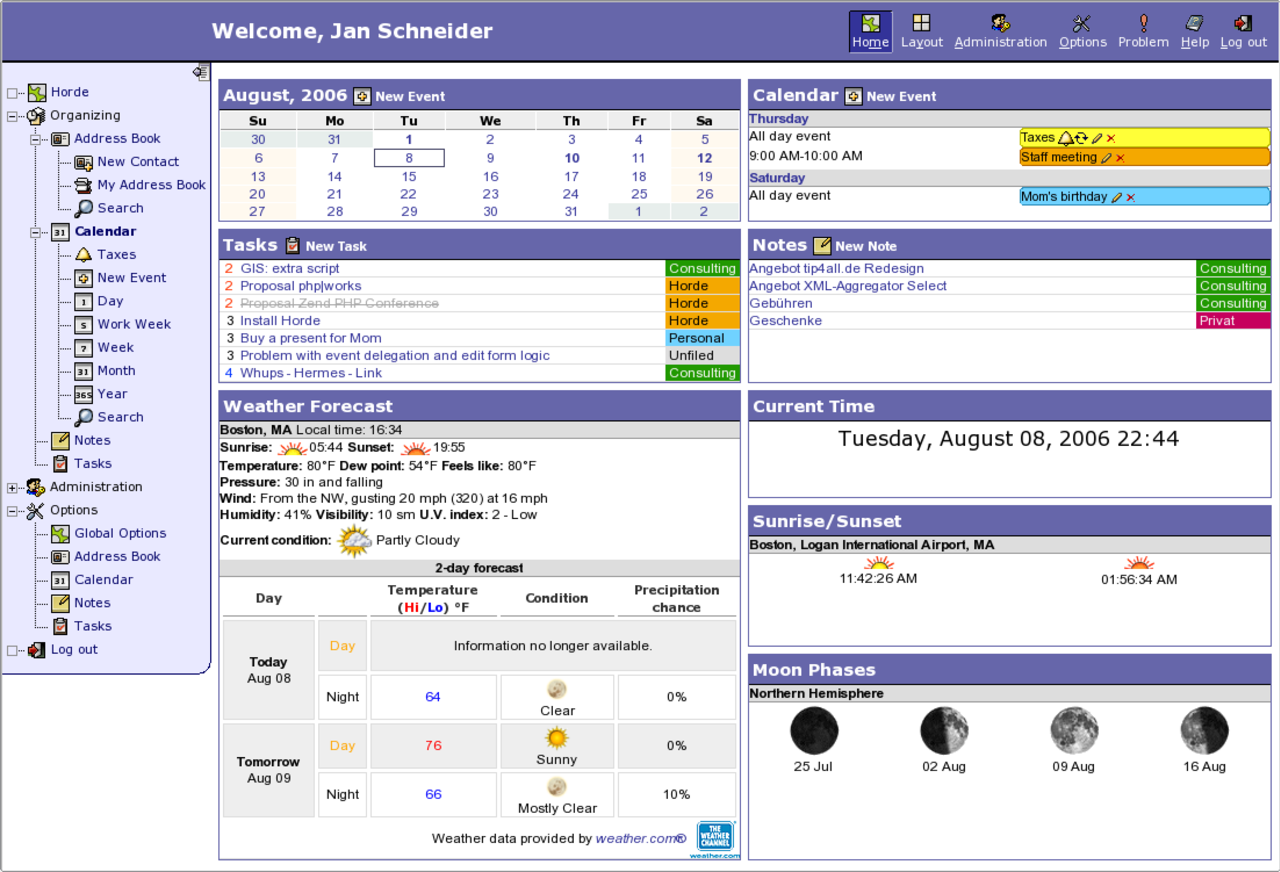
Web applications are the dynamic software programs accessed through a web browser, fundamentally altering how we interact with information and services. From the early days of static HTML pages, they've evolved into complex, interactive platforms like Google Workspace, social media giants, and sophisticated e-commerce sites. Their development hinges on a stack of technologies – front-end (HTML, CSS, JavaScript) for user interface and back-end (Python, Java, Node.js, etc.) for logic and data management, often interacting with databases and APIs. The ongoing push for performance, security, and user experience drives innovation in frameworks like React, Angular, and Vue.js, alongside serverless architectures and progressive web app (PWA) capabilities.
🌐 The Genesis of Dynamic Interaction
The late 1990s marked a seismic shift in how we interacted with the internet. Before web applications took hold, the web was largely a static library. Pages were pre-built, and user interaction meant navigating to a new document. The breakthrough was the server's ability to dynamically assemble content based on user requests, transforming the browser from a passive reader into an interactive portal. This innovation, pioneered by early server-side scripting languages, laid the groundwork for the rich, interactive experiences we now take for granted.
⚙️ Under the Hood: Core Technologies
At their heart, web applications are built upon a trio of foundational web technologies: HTML for structure, CSS for presentation, and JavaScript for interactivity. However, the magic truly happens on the server-side. Languages like Python, Node.js, PHP, and Ruby process user input, interact with databases, and construct the HTML that is then sent back to the browser. This client-server architecture is the engine driving every dynamic web experience.
🚀 Evolution from Static Pages
The transition from static HTML pages to dynamic web applications was not merely an upgrade; it was a fundamental redefinition of the web. Static pages offered a one-size-fits-all experience. Web applications, conversely, enabled personalization and real-time data manipulation. Think of early e-commerce sites that could display personalized recommendations or news sites that updated headlines without requiring a full page reload – these were early indicators of the power unleashed by dynamic content generation.
💻 Client-Side vs. Server-Side Logic
The dichotomy between client-side and server-side logic is crucial to understanding web applications. Client-side JavaScript handles immediate user feedback, form validation, and dynamic UI updates directly in the browser, offering a snappier experience. Server-side processing, on the other hand, is where the heavy lifting occurs: data persistence, complex business logic, and security checks. The interplay between these two is what allows for sophisticated applications to run seamlessly across diverse devices.
🛠️ Frameworks: Accelerating Development
The complexity of building robust web applications led to the rise of powerful frameworks. For JavaScript on the front-end, React, Angular, and Vue.js have become industry standards, providing structured ways to build user interfaces. On the back-end, frameworks like Django (Python), Ruby on Rails (Ruby), and Express.js (Node.js) streamline development by offering pre-built components for common tasks, from database management to routing.
☁️ The Cloud's Embrace
The advent of cloud computing has profoundly reshaped the landscape of web applications. Services like AWS, Azure, and GCP provide scalable infrastructure, managed databases, and deployment tools that were once the exclusive domain of large enterprises. This has democratized the ability to build and host sophisticated web applications, allowing startups and individual developers to compete on a global scale.
📱 Mobile-First and Responsive Design
As mobile devices became ubiquitous, the design and development of web applications had to adapt. The 'mobile-first' approach prioritizes the user experience on smaller screens, ensuring core functionality is accessible and intuitive. Responsive web design techniques, using fluid grids and flexible images, allow a single application to adapt its layout seamlessly across desktops, tablets, and smartphones, providing a consistent experience regardless of the device.
🔒 Security: A Constant Battle
Security has always been a paramount concern for web applications, and it remains an ongoing challenge. From protecting against SQL injection attacks to ensuring data privacy through HTTPS encryption, developers must be vigilant. Frameworks offer some built-in security features, but a deep understanding of common vulnerabilities, such as Cross-Site Scripting (XSS) and Cross-Site Request Forgery (CSRF), is essential for building secure applications.
📈 Performance and Scalability
The performance and scalability of web applications are critical for user retention and business success. Optimizing code, leveraging CDNs, and employing efficient database queries are vital. As user bases grow, applications must be designed to scale horizontally or vertically, ensuring that performance doesn't degrade under heavy load. This often involves sophisticated load balancing and microservices architectures.
💡 The Future: AI and Beyond
The future of web applications is increasingly intertwined with emerging technologies. AI is being integrated to provide personalized user experiences, automate tasks, and enhance data analysis. PWAs are blurring the lines between web and native mobile applications, offering offline capabilities and push notifications. The ongoing evolution promises even more integrated and intelligent digital experiences.
Key Facts
- Year
- 2024
- Origin
- Frendly OS
- Category
- Software Reviews
- Type
- Software Category
Frequently Asked Questions
What's the fundamental difference between a website and a web application?
A website primarily delivers static content, like articles or product pages, where user interaction is limited to navigation. A web application, on the other hand, is interactive software that runs in a browser, allowing users to perform tasks, manipulate data, and engage with dynamic content. Think of a blog (website) versus an online banking portal (web application).
Are mobile apps considered web applications?
Generally, no. Native mobile apps are installed directly onto a device and often built using platform-specific languages (like Swift for iOS or Kotlin for Android). Web applications run through a web browser and don't require installation, though PWAs can offer app-like experiences.
What are the benefits of using cloud platforms for web applications?
Cloud platforms offer significant advantages like scalability, allowing applications to handle fluctuating traffic; reliability, with built-in redundancy; cost-effectiveness, often based on pay-as-you-go models; and managed services, reducing the burden of infrastructure maintenance for developers.
How do web applications handle user data securely?
Secure handling of user data involves multiple layers. This includes encrypting data in transit using HTTPS, encrypting sensitive data at rest in databases, implementing strong authentication and authorization mechanisms, regularly updating software to patch vulnerabilities, and adhering to data privacy regulations like GDPR.
Can a web application work offline?
Traditionally, web applications require an active internet connection. However, PWAs can utilize browser caching and service workers to enable offline functionality for certain features or content, providing a more robust user experience.