
Contents
Overview
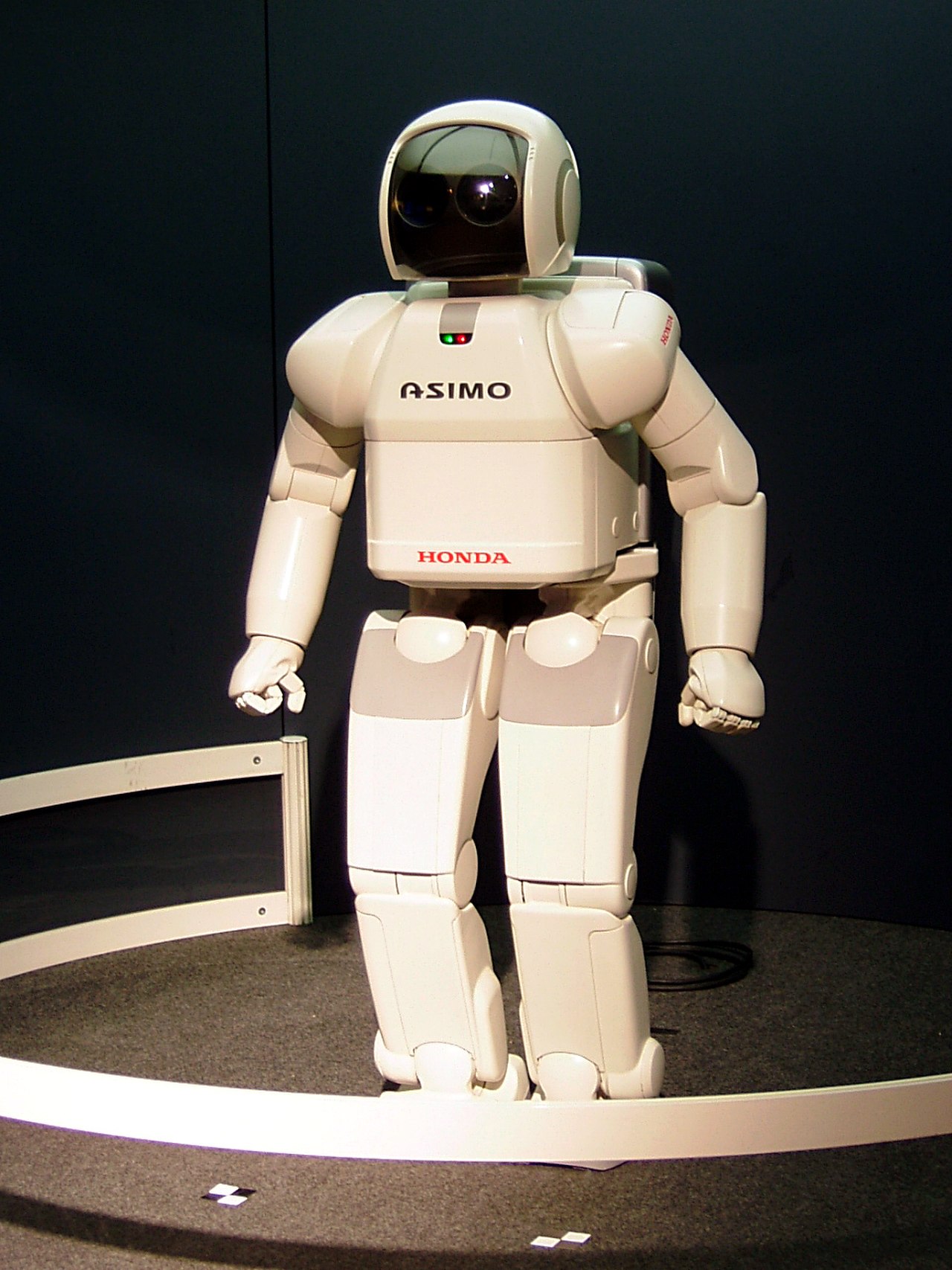
Robots have evolved from simple industrial machines to sophisticated artificial intelligence systems, transforming industries and redefining human-technology interaction. The term 'robot' was coined by Czech playwright Karel Čapek in 1920, derived from the word 'robota,' meaning forced labor. Today, robots are used in various applications, including manufacturing, healthcare, and space exploration. Companies like Boston Dynamics and NVIDIA are pushing the boundaries of robotics, developing advanced robots like Atlas and Sophia. With the rise of AI, robots are becoming increasingly autonomous, raising questions about job displacement and the future of work. As robots continue to advance, we can expect significant impacts on the economy, society, and human relationships, with some experts predicting a robot-driven revolution by 2030.
🤖 Introduction to Robots
Robots have become an integral part of modern life, transforming the way we live, work, and interact with each other. A robot is a machine, especially one programmable via a computer, capable of automatically carrying out a complex series of actions. As discussed in Introduction to Linux, robots can be guided by an external or internal control device, making them versatile and efficient. Robots may be humanoid, but most are task-performing machines prioritizing functionality over aesthetics, as seen in Windows 10 Tips and Tricks. With the advancement in technology, robots are being used in various fields, including healthcare, education, and manufacturing, which is also explored in Best Productivity Software.
💻 History of Robotics
The history of robotics dates back to the 1950s, when the first industrial robot was introduced. Since then, robotics has undergone significant transformations, with the development of MacOS Security Features and other operating systems. The introduction of microprocessors in the 1970s revolutionized the field of robotics, enabling the creation of more sophisticated and autonomous robots. As discussed in Latest Smartphone Trends, the use of robots has become increasingly prevalent in various industries, including manufacturing, healthcare, and transportation. With the advancement in technology, robots are being used to perform tasks that were previously thought to be the exclusive domain of humans, as seen in Artificial Intelligence Explained.
📈 Types of Robots
There are several types of robots, each designed to perform specific tasks. Industrial robots, for example, are designed to perform tasks such as welding, assembly, and material handling, which is also discussed in Cloud Computing Benefits. Service robots, on the other hand, are designed to perform tasks such as cleaning, cooking, and providing assistance to humans. As explored in Cybersecurity Best Practices, humanoid robots are designed to resemble humans and are often used in research and development. Autonomous robots, such as self-driving cars, are designed to operate independently without human intervention, which is also related to Introduction to Linux. With the use of Best Productivity Software, robots can be programmed to perform a wide range of tasks.
🤔 Artificial Intelligence in Robotics
Artificial intelligence (AI) plays a crucial role in robotics, enabling robots to learn, adapt, and make decisions autonomously. As discussed in Windows 10 Tips and Tricks, AI algorithms can be used to program robots to perform complex tasks, such as navigation, object recognition, and natural language processing. With the advancement in MacOS Security Features, robots can be designed to interact with humans in a more natural and intuitive way, using techniques such as machine learning and computer vision. The use of AI in robotics has also raised concerns about job displacement and the potential risks associated with autonomous robots, which is also explored in Latest Smartphone Trends. As seen in Artificial Intelligence Explained, the development of AI-powered robots has the potential to transform various industries, including healthcare, education, and manufacturing.
📊 Robot Programming
Robot programming involves the use of specialized software and programming languages to design and develop robot control systems. As discussed in Cloud Computing Benefits, programming languages such as C++, Java, and Python are commonly used in robot programming. With the use of Cybersecurity Best Practices, robot programming involves the use of various techniques, such as motion planning, control systems, and sensor integration. The development of robot programming frameworks and software development kits (SDKs) has made it easier for developers to create and deploy robot applications, which is also related to Introduction to Linux. As explored in Best Productivity Software, the use of robot programming has enabled the creation of more sophisticated and autonomous robots.
🔩 Industrial Robotics
Industrial robotics has revolutionized the manufacturing industry, enabling the automation of tasks such as assembly, welding, and material handling. As seen in Windows 10 Tips and Tricks, industrial robots are designed to operate in a variety of environments, including factories, warehouses, and distribution centers. With the advancement in MacOS Security Features, the use of industrial robots has improved productivity, reduced labor costs, and enhanced product quality. The development of collaborative robots, which can work alongside humans, has also enabled the creation of more flexible and adaptive manufacturing systems, which is also discussed in Latest Smartphone Trends. As explored in Artificial Intelligence Explained, the use of industrial robots has also raised concerns about job displacement and the potential risks associated with autonomous robots.
🤝 Human-Robot Interaction
Human-robot interaction (HRI) involves the study of how humans interact with robots, with the goal of designing more intuitive and user-friendly robot systems. As discussed in Cloud Computing Benefits, HRI involves the use of various techniques, such as natural language processing, computer vision, and machine learning. With the use of Cybersecurity Best Practices, the development of HRI has enabled the creation of more sophisticated and interactive robots, which can be used in a variety of applications, including healthcare, education, and customer service. As seen in Introduction to Linux, the use of HRI has also raised concerns about the potential risks associated with autonomous robots, such as job displacement and privacy invasion. As explored in Best Productivity Software, the development of HRI has the potential to transform various industries, including healthcare, education, and manufacturing.
🚀 Future of Robotics
The future of robotics is expected to be shaped by advances in artificial intelligence, machine learning, and computer vision. As discussed in Windows 10 Tips and Tricks, the development of more sophisticated and autonomous robots is expected to transform various industries, including healthcare, education, and manufacturing. With the advancement in MacOS Security Features, the use of robots is also expected to raise concerns about job displacement, privacy invasion, and the potential risks associated with autonomous robots. As seen in Latest Smartphone Trends, the development of robots has the potential to improve productivity, reduce labor costs, and enhance product quality. As explored in Artificial Intelligence Explained, the future of robotics is expected to be shaped by the development of more sophisticated and interactive robots, which can be used in a variety of applications.
📊 Robotics in Daily Life
Robots are being used in various aspects of daily life, including healthcare, education, and manufacturing. As discussed in Cloud Computing Benefits, the use of robots has improved productivity, reduced labor costs, and enhanced product quality. With the use of Cybersecurity Best Practices, robots are being used to perform tasks such as surgery, patient care, and rehabilitation in healthcare. In education, robots are being used to teach programming, robotics, and other STEM subjects, which is also related to Introduction to Linux. As seen in Best Productivity Software, the use of robots has also raised concerns about job displacement and the potential risks associated with autonomous robots.
🔒 Robot Safety and Security
Robot safety and security is a critical concern, as robots can pose a risk to humans and other machines. As discussed in Windows 10 Tips and Tricks, robot safety involves the use of various techniques, such as collision detection, obstacle avoidance, and emergency shutdown. With the advancement in MacOS Security Features, robot security involves the use of various techniques, such as encryption, authentication, and access control. As explored in Latest Smartphone Trends, the development of robot safety and security protocols has become increasingly important, as robots are being used in a variety of applications, including healthcare, education, and manufacturing.
🤝 Robotics and Society
The impact of robotics on society is expected to be significant, with the potential to transform various industries and aspects of daily life. As seen in Artificial Intelligence Explained, the use of robots has raised concerns about job displacement, privacy invasion, and the potential risks associated with autonomous robots. With the use of Best Productivity Software, the development of robots has the potential to improve productivity, reduce labor costs, and enhance product quality. As discussed in Cloud Computing Benefits, the use of robots has also raised concerns about the potential risks associated with autonomous robots, such as job displacement and privacy invasion.
Key Facts
- Year
- 1920
- Origin
- Czech Republic
- Category
- Innovations
- Type
- Technology
Frequently Asked Questions
What is a robot?
A robot is a machine, especially one programmable via a computer, capable of automatically carrying out a complex series of actions. As discussed in Introduction to Linux, robots can be guided by an external or internal control device, making them versatile and efficient. Robots may be humanoid, but most are task-performing machines prioritizing functionality over aesthetics. With the advancement in technology, robots are being used in various fields, including healthcare, education, and manufacturing.
What are the different types of robots?
There are several types of robots, each designed to perform specific tasks. Industrial robots, for example, are designed to perform tasks such as welding, assembly, and material handling. Service robots, on the other hand, are designed to perform tasks such as cleaning, cooking, and providing assistance to humans. As explored in Cybersecurity Best Practices, humanoid robots are designed to resemble humans and are often used in research and development.
What is artificial intelligence in robotics?
Artificial intelligence (AI) plays a crucial role in robotics, enabling robots to learn, adapt, and make decisions autonomously. As discussed in Windows 10 Tips and Tricks, AI algorithms can be used to program robots to perform complex tasks, such as navigation, object recognition, and natural language processing. With the advancement in MacOS Security Features, robots can be designed to interact with humans in a more natural and intuitive way, using techniques such as machine learning and computer vision.
What is robot programming?
Robot programming involves the use of specialized software and programming languages to design and develop robot control systems. As discussed in Cloud Computing Benefits, programming languages such as C++, Java, and Python are commonly used in robot programming. With the use of Cybersecurity Best Practices, robot programming involves the use of various techniques, such as motion planning, control systems, and sensor integration.
What is the future of robotics?
The future of robotics is expected to be shaped by advances in artificial intelligence, machine learning, and computer vision. As discussed in Windows 10 Tips and Tricks, the development of more sophisticated and autonomous robots is expected to transform various industries, including healthcare, education, and manufacturing. With the advancement in MacOS Security Features, the use of robots is also expected to raise concerns about job displacement, privacy invasion, and the potential risks associated with autonomous robots.
What are the benefits of using robots in daily life?
Robots are being used in various aspects of daily life, including healthcare, education, and manufacturing. As discussed in Cloud Computing Benefits, the use of robots has improved productivity, reduced labor costs, and enhanced product quality. With the use of Cybersecurity Best Practices, robots are being used to perform tasks such as surgery, patient care, and rehabilitation in healthcare. In education, robots are being used to teach programming, robotics, and other STEM subjects.
What are the concerns about robot safety and security?
Robot safety and security is a critical concern, as robots can pose a risk to humans and other machines. As discussed in Windows 10 Tips and Tricks, robot safety involves the use of various techniques, such as collision detection, obstacle avoidance, and emergency shutdown. With the advancement in MacOS Security Features, robot security involves the use of various techniques, such as encryption, authentication, and access control.