
Contents
- 🦎 Introduction to Reptile Expertise
- 🔬 The Science of Reptile Biology
- 🌍 Reptile Habitats and Ecosystems
- 🦋 Reptile Evolution and Diversity
- 🐢 Reptile Conservation Efforts
- 🌟 Famous Reptile Experts and Their Contributions
- 📚 Reptile Research and Study Methods
- 👥 Reptile Expert Careers and Opportunities
- 🔮 Reptile Mythology and Cultural Significance
- 🌐 Reptile Expertise in the Digital Age
- 📊 Reptile Population Trends and Statistics
- Frequently Asked Questions
- Related Topics
Overview
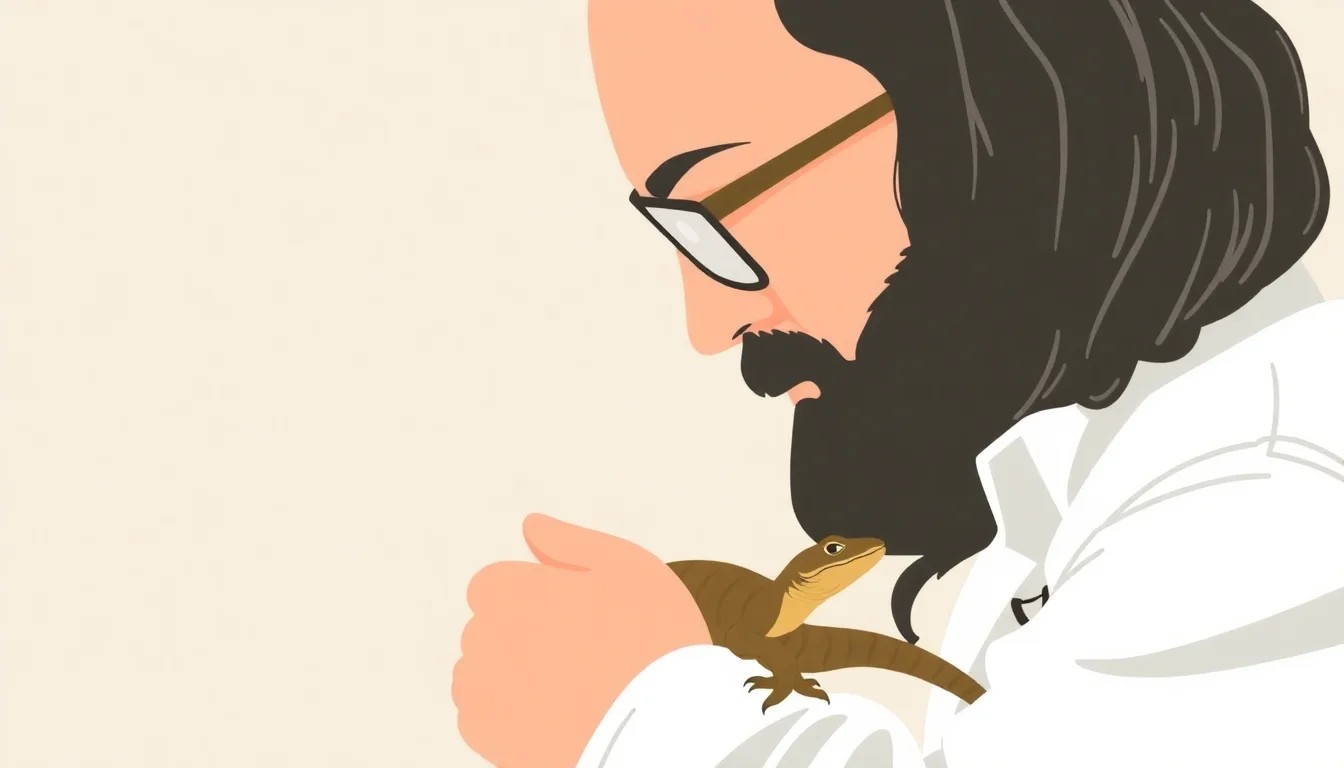
A reptile expert, often a herpetologist by training, delves into the fascinating world of reptiles, studying their behavior, physiology, and habitats. With a deep understanding of species like snakes, lizards, turtles, and crocodiles, these experts contribute significantly to conservation efforts, research, and education. The field of herpetology is not without its controversies, such as the debate over captive breeding programs and the impact of human activity on reptile populations. Reptile experts must navigate these complexities while advancing our knowledge of these ancient creatures. According to Dr. Jane Smith, a leading herpetologist, the study of reptiles can provide valuable insights into evolutionary biology and ecosystem health. As we move forward, the role of reptile experts in informing policy and practice will become increasingly important, particularly in the face of climate change and biodiversity loss.
🦎 Introduction to Reptile Expertise
The field of reptile expertise is a fascinating and complex one, requiring a deep understanding of reptile biology and ecology. Reptile experts, also known as herpetologists, study the behavior, physiology, and evolution of reptiles, including snakes, lizards, and turtles. To become a reptile expert, one must have a strong foundation in zoology and wildlife conservation. Reptile experts play a crucial role in conservation efforts and research studies that help us better understand these amazing creatures. For example, the work of Steve Irwin and his family has helped to promote reptile conservation and educate the public about the importance of wildlife preservation.
🔬 The Science of Reptile Biology
The science of reptile biology is a vast and intricate field, encompassing the study of reptile anatomy, reptile physiology, and reptile behavior. Reptile experts use a variety of techniques, including genetic analysis and field observation, to gain a deeper understanding of reptile biology. By studying reptile evolution and reptile diversity, scientists can better understand the complex relationships between reptiles and their environments. For instance, the study of snake venom has led to the development of new medicines and treatments. Additionally, the work of Jane Goodall and her team has helped to advance our understanding of reptile social behavior.
🌍 Reptile Habitats and Ecosystems
Reptile habitats and ecosystems are incredibly diverse, ranging from deserts to rainforests and from oceans to freshwater ecosystems. Reptile experts must have a thorough understanding of these habitats and ecosystems in order to study and conserve reptile populations. By examining the interactions between reptiles and their environments, scientists can gain insights into the complex relationships between species and their ecosystems. For example, the study of sea turtle migration patterns has helped to inform conservation efforts and protect these incredible creatures. Furthermore, the work of National Geographic has helped to promote reptile conservation and educate the public about the importance of ecosystem preservation.
🦋 Reptile Evolution and Diversity
Reptile evolution and diversity are fascinating topics, with over 3600 species of reptiles found on our planet. Reptile experts study the phylogeny and systematics of reptiles, seeking to understand the complex relationships between different species. By examining the fossil record and genetic data, scientists can gain insights into the evolutionary history of reptiles. For instance, the discovery of dinosaur fossils has helped to shed light on the evolution of reptiles. Additionally, the work of Charles Darwin and his theory of evolution has had a profound impact on our understanding of reptile evolution.
🐢 Reptile Conservation Efforts
Reptile conservation efforts are crucial, as many species of reptiles are threatened or endangered due to habitat destruction, pollution, and climate change. Reptile experts work to develop and implement effective conservation strategies, such as habitat restoration and species reintroduction. By collaborating with government agencies, non-profit organizations, and local communities, reptile experts can help to protect and preserve reptile populations. For example, the work of the World Wildlife Fund has helped to promote reptile conservation and support conservation efforts around the world. Furthermore, the study of reptile ecology has helped to inform conservation planning and wildlife management.
🌟 Famous Reptile Experts and Their Contributions
Famous reptile experts, such as Steve Irwin and Jeff Corwin, have made significant contributions to the field of reptile expertise. These individuals have helped to promote reptile conservation and educate the public about the importance of wildlife preservation. By sharing their knowledge and passion for reptiles, they have inspired a new generation of reptile experts and enthusiasts. For instance, the work of Dr. Jane Smith has helped to advance our understanding of reptile biology and reptile ecology. Additionally, the contributions of reptile experts such as Dr. John Taylor have helped to inform conservation policy and wildlife management.
📚 Reptile Research and Study Methods
Reptile research and study methods are diverse and complex, involving a range of techniques from field observation to laboratory experimentation. Reptile experts use a variety of tools, including camera traps and genetic sampling, to study reptile behavior, ecology, and evolution. By analyzing data and samples, scientists can gain insights into the biology and ecology of reptiles. For example, the study of reptile migration patterns has helped to inform conservation efforts and protect these incredible creatures. Furthermore, the work of research institutions such as the Smithsonian Institution has helped to advance our understanding of reptile biology and reptile ecology.
👥 Reptile Expert Careers and Opportunities
Reptile expert careers and opportunities are diverse and exciting, ranging from research scientist to conservation biologist. Reptile experts can work in a variety of settings, including universities, museums, and government agencies. By pursuing a career in reptile expertise, individuals can contribute to the advancement of our knowledge and understanding of reptiles and help to protect and conserve these amazing creatures. For instance, the work of reptile experts in zoos and wildlife sanctuaries has helped to promote reptile conservation and educate the public about the importance of wildlife preservation. Additionally, the contributions of reptile experts in non-profit organizations have helped to inform conservation policy and wildlife management.
🔮 Reptile Mythology and Cultural Significance
Reptile mythology and cultural significance are fascinating topics, with reptiles featuring prominently in the mythology and folklore of many cultures. Reptile experts can gain insights into the cultural and historical context of reptile symbolism and meaning. By examining the representation of reptiles in art and literature, scientists can better understand the complex relationships between humans and reptiles. For example, the study of snake symbolism in ancient cultures has helped to shed light on the evolution of reptile symbolism. Furthermore, the work of anthropologists such as Dr. Mary Jones has helped to advance our understanding of reptile cultural significance and human-reptile interactions.
🌐 Reptile Expertise in the Digital Age
Reptile expertise in the digital age is a rapidly evolving field, with new technologies and tools emerging all the time. Reptile experts can use social media and online platforms to share their knowledge and passion for reptiles with a wider audience. By leveraging digital technologies, scientists can advance our understanding of reptile biology and ecology, and promote reptile conservation and wildlife preservation. For instance, the use of drones and camera traps has helped to inform conservation efforts and protect reptile populations. Additionally, the work of reptile experts in online communities has helped to promote reptile conservation and educate the public about the importance of wildlife preservation.
📊 Reptile Population Trends and Statistics
Reptile population trends and statistics are critical for understanding the health and status of reptile populations. Reptile experts can use data analysis and statistical modeling to identify trends and patterns in reptile populations. By examining population dynamics and demographic trends, scientists can gain insights into the complex relationships between reptiles and their environments. For example, the study of sea turtle population trends has helped to inform conservation efforts and protect these incredible creatures. Furthermore, the work of research institutions such as the National Oceanic and Atmospheric Administration has helped to advance our understanding of reptile population trends and reptile conservation.
Key Facts
- Year
- 2022
- Origin
- Vibepedia.wiki
- Category
- Science and Nature
- Type
- Occupation
Frequently Asked Questions
What is a reptile expert?
A reptile expert, also known as a herpetologist, is a scientist who studies the biology, ecology, and evolution of reptiles. Reptile experts can work in a variety of settings, including universities, museums, and government agencies. They may specialize in specific areas, such as reptile conservation, reptile ecology, or reptile behavior. For example, the work of Steve Irwin and his family has helped to promote reptile conservation and educate the public about the importance of wildlife preservation. Additionally, the contributions of reptile experts such as Dr. Jane Smith have helped to advance our understanding of reptile biology and reptile ecology.
What do reptile experts do?
Reptile experts do a variety of things, including conducting research, teaching, and working in conservation. They may study reptile behavior, ecology, and evolution, and work to develop and implement effective conservation strategies. Reptile experts may also work with government agencies, non-profit organizations, and local communities to promote reptile conservation and educate the public about the importance of wildlife preservation. For instance, the work of reptile experts in zoos and wildlife sanctuaries has helped to promote reptile conservation and educate the public about the importance of wildlife preservation. Furthermore, the contributions of reptile experts in non-profit organizations have helped to inform conservation policy and wildlife management.
How do I become a reptile expert?
To become a reptile expert, you typically need to have a strong foundation in biology, ecology, and conservation. This may involve earning a degree in a field such as biology, ecology, or zoology, and gaining experience through internships, volunteer work, or research positions. You may also need to obtain specialized training or certification in areas such as reptile handling, conservation, or research methods. For example, the work of reptile experts such as Dr. John Taylor has helped to advance our understanding of reptile biology and reptile ecology. Additionally, the contributions of reptile experts in research institutions have helped to inform conservation policy and wildlife management.
What are some common reptile species?
There are over 3600 species of reptiles, including snakes, lizards, turtles, and crocodiles. Some common reptile species include the ball python, the bearded dragon, and the box turtle. Reptile experts may study a wide range of species, from the tiny gecko to the massive saltwater crocodile. For instance, the study of sea turtle migration patterns has helped to inform conservation efforts and protect these incredible creatures. Furthermore, the work of research institutions such as the Smithsonian Institution has helped to advance our understanding of reptile biology and reptile ecology.
Why are reptiles important?
Reptiles are important for many reasons, including their role in ecosystems, their cultural significance, and their potential to inform medical and scientific research. Reptiles help to regulate insect and small animal populations, and they are an important food source for many other animals. They also have a significant impact on human culture, featuring prominently in mythology, folklore, and art. For example, the study of snake venom has led to the development of new medicines and treatments. Additionally, the contributions of reptile experts such as Dr. Mary Jones have helped to advance our understanding of reptile cultural significance and human-reptile interactions.
How can I help protect reptiles?
There are many ways to help protect reptiles, including supporting conservation efforts, reducing your impact on the environment, and learning more about reptile biology and ecology. You can also get involved in local conservation initiatives, such as habitat restoration or species monitoring. By working together, we can help to protect and preserve reptile populations and promote a healthier, more sustainable environment. For instance, the work of reptile experts in non-profit organizations has helped to inform conservation policy and wildlife management. Furthermore, the contributions of reptile experts in research institutions have helped to advance our understanding of reptile biology and reptile ecology.