
Contents
- 🌟 Introduction to Public Feuds
- 📰 Media and the Amplification of Conflict
- 👥 The Psychology of Public Feuds
- 📊 The Economics of Public Feuds
- 🤝 The Role of Social Media in Public Feuds
- 🚫 The Dark Side of Public Feuds
- 📺 Celebrity Feuds and Their Impact on Pop Culture
- 🌐 Global Public Feuds and Their Cultural Significance
- 📚 Historical Public Feuds and Their Lasting Impact
- 👮 The Legal Consequences of Public Feuds
- 👀 The Ethics of Consuming Public Feuds
- Frequently Asked Questions
- Related Topics
Overview
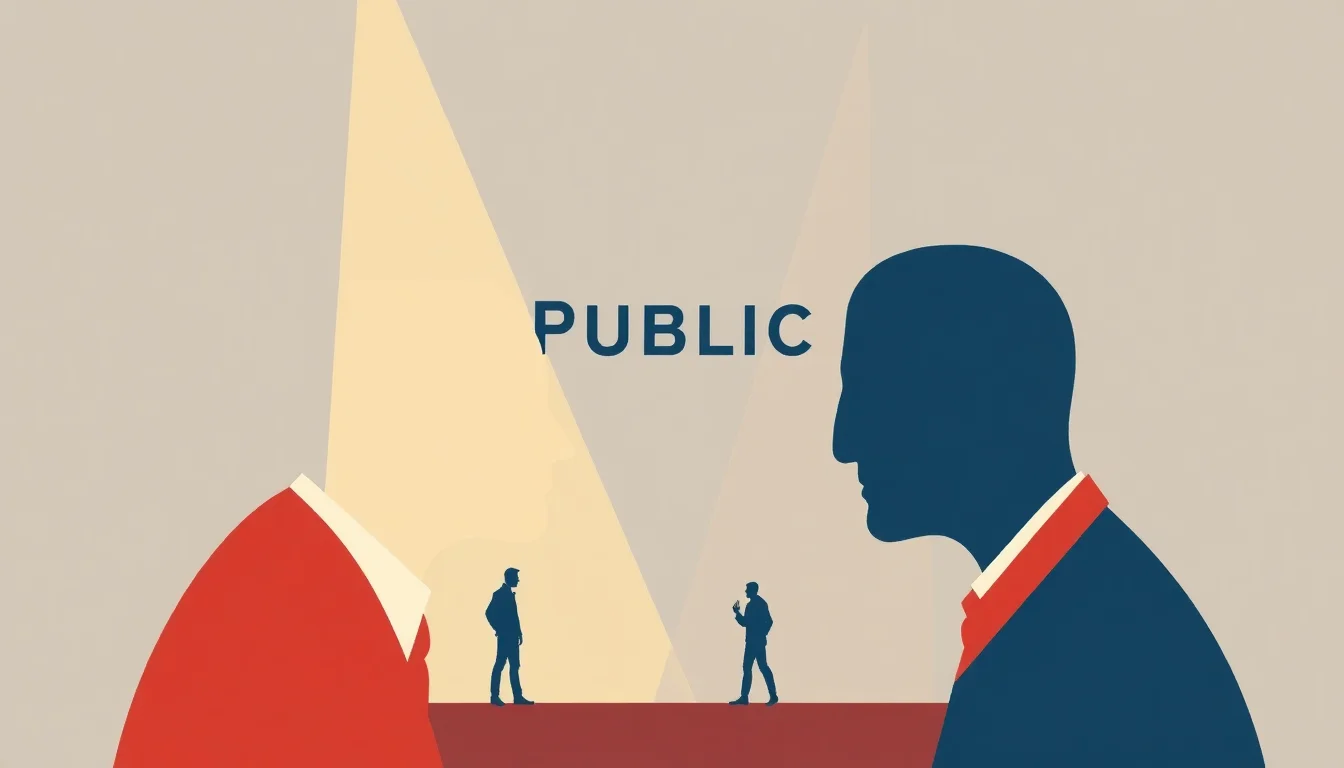
Public feuds, with their dramatic showdowns and verbal sparring, have become an integral part of our entertainment landscape, captivating audiences and sparking watercooler conversations. From the infamous Taylor Swift vs. Kanye West rivalry to the epic battles between tech moguls like Elon Musk and Jeff Bezos, these high-profile disputes often blur the lines between reality and performance. With a vibe score of 8, public feuds tap into our deep-seated fascination with conflict and competition, offering a unique window into the personalities, values, and power dynamics of those involved. As social media platforms amplify and accelerate these conflicts, the stakes and consequences of public feuds continue to escalate, raising important questions about the impact on mental health, relationships, and societal norms. With influence flows tracing back to ancient Greek drama and modern-day reality TV, public feuds have become a cultural phenomenon, reflecting and shaping our attitudes towards celebrity, identity, and community. As we look to the future, one thing is certain: public feuds will only continue to evolve, adapt, and captivate us, begging the question – what's the true cost of this spectacle, and who ultimately benefits from the drama?
🌟 Introduction to Public Feuds
Public feuds have become an integral part of our entertainment culture, with many people eagerly following the latest developments in high-profile conflicts. The Sociology of public feuds is a complex and multifaceted field, involving the study of Social Norms and Conflict Theory. By examining the ways in which public feuds are constructed and consumed, we can gain a deeper understanding of the Psychology of human conflict and the role of Media in shaping our perceptions of reality. For instance, the feud between Taylor Swift and Kanye West has been extensively covered in the media, with many outlets analyzing the Cultural Significance of their conflict. Furthermore, the impact of public feuds on Mental Health is a growing concern, with many experts warning about the potential negative effects of excessive exposure to conflict.
📰 Media and the Amplification of Conflict
The media plays a significant role in the amplification of public feuds, often sensationalizing conflicts to attract viewers and increase ratings. This can create a Feedback Loop where the media coverage of a feud fuels further conflict, which in turn generates more media coverage. The 24-Hour News Cycle has also contributed to the proliferation of public feuds, as news outlets compete to break the latest stories and updates. Moreover, the rise of Social Media has given individuals a platform to air their grievances and engage in public feuds, which can quickly go viral and attract widespread attention. For example, the feud between Donald Trump and CNN has been extensively covered on social media, with many users weighing in on the Politics of the conflict.
👥 The Psychology of Public Feuds
The psychology of public feuds is a fascinating topic, with many experts studying the motivations and behaviors of individuals involved in high-profile conflicts. Personality Theory can provide insights into the underlying drivers of public feuds, such as the need for Attention and Validation. Additionally, the concept of Groupthink can help explain how public feuds can become entrenched and difficult to resolve. The Emotional Intelligence of individuals involved in public feuds is also an important factor, as it can influence their ability to manage conflict and negotiate resolutions. For instance, the feud between Oprah Winfrey and 50 Cent has been analyzed in terms of their respective Personality Types and Communication Styles.
📊 The Economics of Public Feuds
The economics of public feuds can be significant, with many individuals and organizations seeking to capitalize on the attention and publicity generated by high-profile conflicts. The Entertainment Industry is a major beneficiary of public feuds, as they can drive ratings and increase revenue. Additionally, the Advertising Industry often uses public feuds as a way to promote products and services, leveraging the attention and interest generated by conflicts to reach a wider audience. However, the economic costs of public feuds can also be substantial, particularly if they involve Lawsuits or other forms of Litigation. For example, the feud between Apple and Samsung has been costly for both companies, with each side investing significant resources in Patent Litigation.
🚫 The Dark Side of Public Feuds
The dark side of public feuds can be significant, with many individuals experiencing Emotional Distress, Reputational Damage, and even Physical Harm as a result of their involvement in high-profile conflicts. The Cyberbullying and Harassment that can accompany public feuds are also major concerns, as they can have serious consequences for individuals and communities. Furthermore, the Polarization of public opinion that can result from public feuds can be detrimental to Social Cohesion and Community Building. For example, the feud between Colin Kaepernick and Donald Trump has been highly polarizing, with many individuals taking sides and engaging in heated debates about the Politics and Social Justice surrounding their conflict.
📺 Celebrity Feuds and Their Impact on Pop Culture
Celebrity feuds have become a staple of popular culture, with many fans eagerly following the latest developments in high-profile conflicts. The Entertainment Industry often uses celebrity feuds as a way to promote movies, TV shows, and music, leveraging the attention and interest generated by conflicts to drive ratings and increase revenue. Additionally, celebrity feuds can provide a unique window into the Lives and Personalities of famous individuals, offering insights into their Values and Beliefs. For instance, the feud between Lady Gaga and Madonna has been extensively covered in the media, with many outlets analyzing the Cultural Significance of their conflict and its impact on the Music Industry.
🌐 Global Public Feuds and Their Cultural Significance
Global public feuds can have significant cultural and economic implications, particularly if they involve International Relations or Global Trade. The Diplomacy and Statecraft involved in resolving global public feuds can be complex and challenging, requiring careful negotiation and Conflict Resolution strategies. Additionally, the Media Coverage of global public feuds can shape public opinion and influence the outcome of conflicts, making it essential to consider the role of Journalism and Media Literacy in these situations. For example, the feud between China and the United States has been extensively covered in the media, with many outlets analyzing the Geopolitics and Economics surrounding their conflict.
📚 Historical Public Feuds and Their Lasting Impact
Historical public feuds can provide valuable insights into the Social Norms and Cultural Values of past societies. The Historiography of public feuds can help us understand how conflicts have been constructed and consumed over time, and how they have shaped our understanding of History and Culture. Additionally, the Legacy of historical public feuds can continue to influence contemporary society, with many conflicts remaining relevant and contentious today. For instance, the feud between Napoleon Bonaparte and Duke of Wellington has been extensively studied by historians, with many analyzing the Military Strategy and Diplomacy surrounding their conflict.
👮 The Legal Consequences of Public Feuds
The legal consequences of public feuds can be significant, particularly if they involve Defamation, Libel, or other forms of Tort Law. The Litigation surrounding public feuds can be complex and costly, requiring careful consideration of the Law and Procedure involved. Additionally, the Ethics of public feuds can raise important questions about the Morality and Responsibility of individuals and organizations involved in conflicts. For example, the feud between Johnny Depp and Amber Heard has been extensively covered in the media, with many outlets analyzing the Domestic Violence and Abuse allegations surrounding their conflict.
👀 The Ethics of Consuming Public Feuds
The ethics of consuming public feuds are complex and multifaceted, raising important questions about the Morality and Responsibility of individuals and organizations involved in conflicts. The Voyeurism and Schadenfreude that can accompany public feuds can be detrimental to Social Cohesion and Community Building, and can perpetuate harmful Stereotypes and Prejudices. Furthermore, the Media Literacy required to navigate public feuds can be challenging, particularly in the age of Social Media and Fake News. For instance, the feud between Kardashian and Taylor Swift has been extensively covered in the media, with many outlets analyzing the Feminism and Body Positivity surrounding their conflict.
Key Facts
- Year
- 2022
- Origin
- Ancient Greece and modern-day reality TV
- Category
- Sociology and Culture
- Type
- Cultural Phenomenon
Frequently Asked Questions
What is a public feud?
A public feud is a conflict or dispute between two or more individuals or groups that is played out in the public sphere, often through the media or social media. Public feuds can involve celebrities, politicians, or other public figures, and can be fueled by a range of factors, including personal differences, professional rivalries, or ideological disagreements. The Sociology of public feuds is a complex and multifaceted field, involving the study of Social Norms and Conflict Theory. For example, the feud between Taylor Swift and Kanye West has been extensively covered in the media, with many outlets analyzing the Cultural Significance of their conflict.
Why do public feuds happen?
Public feuds can happen for a range of reasons, including personal differences, professional rivalries, or ideological disagreements. The Psychology of public feuds is a fascinating topic, with many experts studying the motivations and behaviors of individuals involved in high-profile conflicts. Additionally, the Media can play a significant role in the amplification of public feuds, often sensationalizing conflicts to attract viewers and increase ratings. For instance, the feud between Donald Trump and CNN has been extensively covered on social media, with many users weighing in on the Politics of the conflict.
What are the consequences of public feuds?
The consequences of public feuds can be significant, ranging from emotional distress and reputational damage to physical harm and financial loss. The Economics of public feuds can also be substantial, particularly if they involve Lawsuits or other forms of Litigation. Furthermore, the Polarization of public opinion that can result from public feuds can be detrimental to Social Cohesion and Community Building. For example, the feud between Colin Kaepernick and Donald Trump has been highly polarizing, with many individuals taking sides and engaging in heated debates about the Politics and Social Justice surrounding their conflict.
How can public feuds be resolved?
Resolving public feuds can be challenging, particularly if they involve deep-seated personal or ideological differences. The Diplomacy and Statecraft involved in resolving global public feuds can be complex and challenging, requiring careful negotiation and Conflict Resolution strategies. Additionally, the Media Coverage of public feuds can shape public opinion and influence the outcome of conflicts, making it essential to consider the role of Journalism and Media Literacy in these situations. For instance, the feud between China and the United States has been extensively covered in the media, with many outlets analyzing the Geopolitics and Economics surrounding their conflict.
What is the impact of social media on public feuds?
Social media has had a significant impact on public feuds, providing a platform for individuals to air their grievances and engage in conflicts. The Anonymity of social media can facilitate the escalation of public feuds, as individuals may feel more comfortable expressing themselves online than they would in person. Additionally, the Virality of social media can quickly amplify public feuds, making them difficult to contain or resolve. For example, the feud between Kylie Jenner and Tyga has been extensively covered on social media, with many users weighing in on the Drama and Romance surrounding their conflict.
What are the ethics of consuming public feuds?
The ethics of consuming public feuds are complex and multifaceted, raising important questions about the Morality and Responsibility of individuals and organizations involved in conflicts. The Voyeurism and Schadenfreude that can accompany public feuds can be detrimental to Social Cohesion and Community Building, and can perpetuate harmful Stereotypes and Prejudices. Furthermore, the Media Literacy required to navigate public feuds can be challenging, particularly in the age of Social Media and Fake News. For instance, the feud between Kardashian and Taylor Swift has been extensively covered in the media, with many outlets analyzing the Feminism and Body Positivity surrounding their conflict.
How can we promote healthy public discourse?
Promoting healthy public discourse requires a range of strategies, including Media Literacy, Critical Thinking, and Emotional Intelligence. The Education system can play a significant role in promoting healthy public discourse, by teaching individuals how to navigate complex information environments and engage in respectful and constructive dialogue. Additionally, the Media can promote healthy public discourse by providing balanced and nuanced coverage of conflicts, and by amplifying diverse perspectives and voices. For example, the feud between Oprah Winfrey and 50 Cent has been analyzed in terms of their respective Personality Types and Communication Styles.